

The societal effects of gambling a silent revolution or harmful addiction
The Evolution of Gambling in Society
Gambling has undergone a significant transformation throughout history, evolving from a pastime associated with illicit activities to a mainstream form of entertainment. This shift can be attributed to the increasing acceptance of gambling in popular culture, with casinos and online gaming platforms becoming readily accessible. The legalization of gambling in many regions has further contributed to its normalization, leading society to view it as a benign leisure activity rather than a vice. The emergence of non GamBlock casinos exemplifies this trend, allowing individuals to engage with gaming without the constraints of self-exclusion programs. For those looking for safe and responsible gaming options, Best Online Casinos Not on GamStop offer extensive reviews and insights that cater to varying preferences.

As gambling has moved into the digital realm, it has attracted a diverse demographic. People of various ages and backgrounds now participate in online gambling, which has fostered a sense of community among players. These platforms often feature social aspects, allowing users to interact with one another, share strategies, and celebrate wins together. However, while this sense of community can enhance the gaming experience, it can also obscure the potential risks associated with gambling, leading some to downplay its adverse effects.
The cultural acceptance of gambling has sparked debates about its implications. Proponents argue that gambling can boost local economies by creating jobs and generating tax revenue. In contrast, critics warn of the dangers associated with increased accessibility, including addiction and social issues. Understanding these contrasting perspectives is essential to grasp the full scope of gambling’s societal effects, as they highlight the ongoing tension between economic benefits and the potential for harm. As discussions continue, the factors surrounding non gamblock casinos remain at the forefront of this complex dialogue.
The Addiction Dilemma
The rise of gambling, particularly online, has heightened concerns about addiction. Many individuals who partake in gambling do so recreationally; however, for others, it can quickly spiral into a harmful addiction. Gambling addiction is characterized by an inability to control betting behavior, leading to significant personal and financial consequences. This form of addiction can devastate families, strain relationships, and lead to mental health issues such as anxiety and depression.
The impact of gambling addiction is often felt not only by the individual but also by their loved ones. Families may experience financial hardship, emotional distress, and social isolation due to the compulsive behavior of a gambling addict. Furthermore, children in such environments may face neglect, which can affect their development and well-being. These effects illustrate the broader societal implications of gambling addiction, drawing attention to the need for effective support and intervention measures.
In light of these concerns, many organizations and governments are stepping up to address gambling addiction. Initiatives include public awareness campaigns, support groups, and counseling services aimed at individuals and families affected by gambling issues. Such efforts are crucial in promoting responsible gambling and ensuring that those who struggle with addiction receive the help they need to reclaim their lives.
The Economic Impact of Gambling
The economic implications of gambling are multifaceted, encompassing both benefits and drawbacks. On one hand, gambling establishments, including casinos and online platforms, contribute significantly to local and national economies through job creation, tourism, and tax revenue. Regions that embrace gambling often witness an influx of visitors, boosting local businesses and generating income for public services. This economic benefit is a primary argument in favor of the legalization and expansion of gambling operations.
However, the economic advantages of gambling must be weighed against the potential social costs. Communities may face increased expenditures related to addiction treatment, crime, and social services due to gambling-related issues. The paradox of gambling as a revenue source presents a dilemma for policymakers, who must balance the need for economic growth with the responsibility of safeguarding public health. A comprehensive assessment of these economic impacts is essential for making informed decisions about gambling legislation and regulation.
Moreover, the growth of online gambling has introduced new challenges. The anonymity of online platforms can exacerbate gambling-related problems, as individuals may be more inclined to gamble without the social stigma associated with visiting a physical casino. This trend underscores the importance of establishing responsible gambling practices and regulations to mitigate potential harm while still capitalizing on the economic opportunities that the gambling industry presents.
Cultural Perspectives on Gambling
Cultural attitudes towards gambling vary widely across the globe, influencing how societies perceive and regulate this activity. In some cultures, gambling is deeply ingrained in traditions and social practices, celebrated as a form of entertainment and camaraderie. For instance, certain festivals and gatherings feature games of chance as a central element, reflecting the community’s acceptance of gambling as a cultural norm.
Conversely, other cultures view gambling with skepticism or outright disapproval, associating it with moral decline and social issues. In these societies, gambling may be prohibited or heavily regulated, and individuals may face stigmatization for participating in it. These contrasting cultural perspectives highlight the complexity of gambling’s societal effects, as they can shape individual behaviors and influence public policies regarding gambling.
The emergence of non gamblock casinos has further complicated these cultural narratives. As more individuals engage with online gambling platforms, traditional cultural perceptions are challenged, leading to evolving discussions about the moral implications of gambling. This shift underscores the need for ongoing dialogue and research to understand how cultural attitudes towards gambling can influence societal outcomes and the measures needed to promote responsible gaming practices.
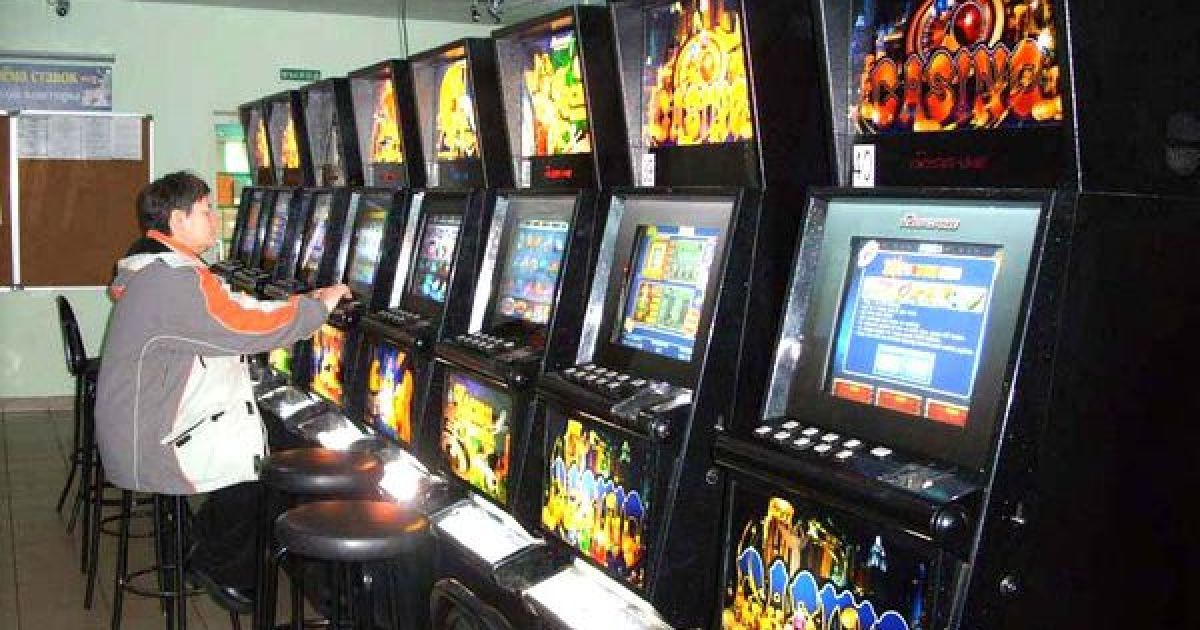
Exploring Non GamBlock Casinos
Non gamblock casinos represent a unique facet of the evolving gambling landscape, providing players with opportunities to engage in online gaming without the restrictions of self-exclusion schemes. These platforms offer a wide variety of gaming experiences, from slots to live casino games, catering to different preferences and styles. For many players, these casinos provide a sense of freedom, allowing them to explore their interests in a less constrained environment.
While non gamblock casinos may be appealing for some, it is essential to approach them with caution. The absence of self-exclusion options can pose risks for individuals who may be susceptible to gambling addiction. Responsible gaming measures, such as setting limits and being aware of one’s behavior, become even more critical in this context. As players navigate these platforms, fostering awareness of potential pitfalls is crucial to ensure a positive gaming experience.
Ultimately, as the landscape of gambling continues to evolve, understanding the societal effects of platforms like non gamblock casinos is vital. By engaging in informed discussions and promoting responsible gaming practices, players and stakeholders can work together to mitigate potential risks while enjoying the opportunities that online gambling has to offer. Through education and awareness, society can better navigate the complexities of gambling in the modern age.